

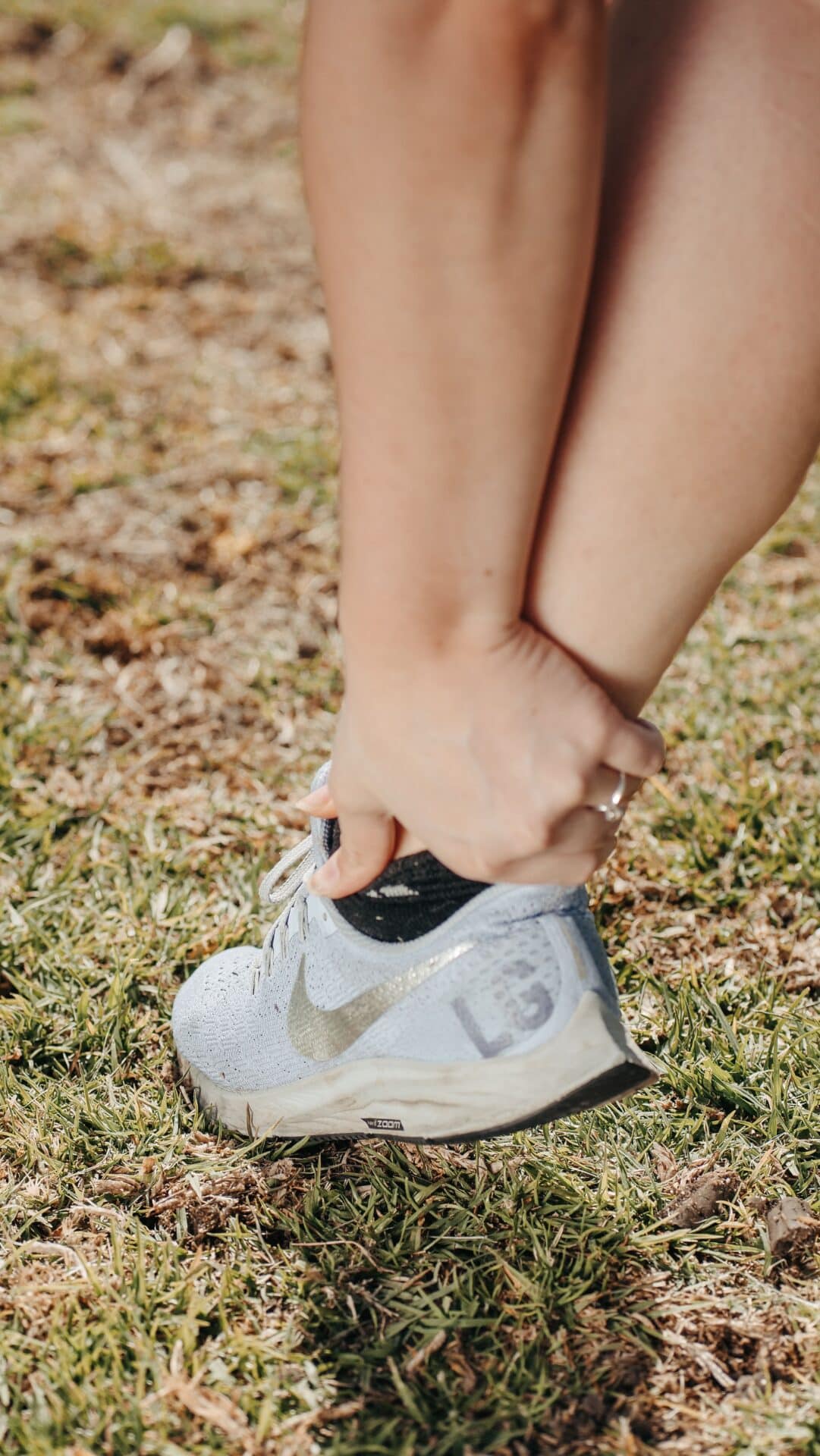
Is achilles pain impacting your day-to-day life?
Whether you’re a runner training for your next event, a weekend athlete trying to stay active, or someone who simply enjoys walking without discomfort, Achilles pain can quickly impact your mobility, performance, and quality of life.
One of the biggest sources of confusion for patients is the difference between Achilles tendinitis and Achilles tendinopathy. These terms are often used interchangeably online, by friends, and sometimes even by healthcare providers. However, they are not exactly the same thing, and understanding the difference can help you recover more effectively.
At Performance Podiatry Sydney, Achilles tendon injuries are among the most common conditions we assess and treat. We regularly help runners, athletes, gym-goers, and active individuals return to pain-free movement using evidence-based treatment strategies tailored to their goals.
In this guide, we’ll explain:
- What the Achilles tendon does
- The difference between tendinitis and tendinopathy
- Common causes of Achilles pain
- Symptoms to watch for
- What you should do first when pain develops
- The most effective treatment options
- When to seek professional help
What Is the Achilles Tendon?
The Achilles tendon is the largest and strongest tendon in the human body.
It connects your calf muscles (gastrocnemius and soleus) to your heel bone (calcaneus) and plays a critical role in movement.
Your achilles tendon is working, every time you:
- Walk
- Run
- Jump
- Climb stairs
- Push off your foot
During running, the tendon can experience forces of up to 6–8 times your body weight. Because it is constantly loaded, it is particularly vulnerable to overuse injuries.
Why Achilles Pain Happens
Most Achilles injuries occur when the tendon is exposed to more load than it can currently tolerate.
This can happen gradually or suddenly.
Common triggers include:
Rapid Increases in Training
Many runners develop Achilles pain after:
- Increasing weekly kilometres
- Adding hill training
- Returning from injury
- Beginning sprint sessions
- Increasing gym-based calf work
- Changing how you run too fast
Foot and Biomechanical Factors
Certain foot mechanics can increase stress on the tendon, including:
- Excessive pronation
- Reduced ankle mobility
- Flat feet
- High-arched feet
- Leg length differences
Inappropriate Footwear
Worn-out shoes, minimalist footwear introduced too quickly, or shoes that don’t suit your foot type may contribute to Achilles overload.
Reduced Strength
Weak calf muscles and reduced lower limb strength can increase strain on the tendon during activity.
Age-Related Changes
As we age, tendons naturally become less resilient and recover more slowly from heavy loading.
Achilles Tendinitis vs Tendinopathy: What’s the Difference?
This is where many people become confused.
Achilles Tendinitis
The term tendinitis literally means inflammation of the tendon.
Historically, Achilles pain was believed to be primarily caused by inflammation.
In acute cases, inflammation can occur shortly after injury or excessive loading.
Typical features may include:
- Sudden onset pain
- Warmth around the tendon
- Swelling
- Tenderness
- Pain after a recent increase in activity
However, research over the last two decades has shown that many chronic Achilles tendon injuries involve very little inflammation.
This is where the term tendinopathy becomes more accurate.
Achilles Tendinopathy
Achilles tendinopathy refers to degeneration and failed healing within the tendon structure.
Rather than being primarily inflammatory, the tendon undergoes structural changes including:
- Collagen disorganisation
- Thickening of the tendon
- Reduced tendon capacity
- Changes in tendon cells
- Reduced ability to handle load
This is why anti-inflammatory treatments alone often fail to solve persistent Achilles pain.
Most people who have experienced Achilles pain for several weeks or months are actually dealing with tendinopathy rather than pure tendinitis.
The Key Difference
A simple way to think about it:
Tendinitis = predominantly inflammation (usually early-stage)
Tendinopathy = tendon degeneration and load intolerance (usually longer-term)
Because most Achilles pain seen in clinics is persistent or recurring, the diagnosis of Achilles tendinopathy is often more accurate.
Common Symptoms of Achilles Tendinopathy
Symptoms can vary but often include:
Morning Stiffness
Many patients describe taking their first few steps out of bed and feeling significant stiffness or discomfort.
This is one of the classic signs of Achilles tendinopathy.
Pain During Activity
Pain may begin:
- Early in a run
- During walking
- During calf raises
- While climbing stairs
Interestingly, some people find the pain improves once they warm up.
Thickening of the Tendon
The tendon may appear larger than normal.
This thickening is often a sign of long-term tendon adaptation and degeneration.
Reduced Performance
Athletes frequently report:
- Slower running times
- Reduced power
- Difficulty sprinting
- Loss of explosiveness
Pain After Activity
Symptoms often worsen several hours after exercise or the following day.
Where Does Achilles Pain Occur?
There are two main types of Achilles tendinopathy.
Midportion Achilles Tendinopathy
This occurs approximately 2–6 centimetres above the heel bone.
It is the most common type.
Pain is typically felt in the middle section of the tendon.
Insertional Achilles Tendinopathy
This occurs where the tendon attaches to the heel bone.
Pain is located directly at the back of the heel.
Insertional cases often require slightly different management strategies and exercise modifications.
What Should You Do First?
If you’ve recently developed Achilles pain, your first actions can significantly influence recovery.
-
Reduce Aggravating Activities
This does not necessarily mean complete rest.
Instead, reduce activities that significantly increase pain.
For example:
- Reduce running volume
- Avoid hill sprints
- Limit jumping exercises
- Temporarily modify training
The goal is to calm symptoms while maintaining as much activity as possible.
-
Avoid Complete Immobilisation
Many people assume total rest is the answer.
In reality, tendons respond positively to appropriate loading.
Extended inactivity may actually weaken the tendon further.
-
Assess Your Footwear
Review your current shoes.
Ask yourself:
- Are they worn out?
- Have I recently changed footwear?
- Do they suit my foot type and activity?
Footwear modifications can sometimes reduce tendon strain immediately.
-
Begin Targeted Loading Exercises
Evidence consistently shows that progressive strengthening exercises are among the most effective treatments for Achilles tendinopathy.
The exact program should be individualised based on:
- Symptom severity
- Tendon location
- Activity goals
- Strength levels
-
Seek Early Assessment
Persistent Achilles pain should not be ignored.
The sooner contributing factors are identified, the easier recovery tends to be.
Why Stretching Alone Usually Isn’t Enough
One of the most common mistakes people make is relying solely on stretching.
While calf flexibility may play a role, stretching alone rarely addresses the underlying problem.
Tendons need:
- Load management
- Progressive strengthening
- Biomechanical assessment
- Capacity building
Without these elements, symptoms often return.
Evidence-Based Treatment Options
Modern Achilles treatment focuses on restoring tendon capacity.
Progressive Strength Training
This is the cornerstone of treatment.
Loading programs help:
- Improve tendon structure
- Increase tendon strength
- Improve load tolerance
- Reduce pain
Examples may include:
- Calf raises
- Heavy slow resistance exercises
- Eccentric strengthening
- Functional loading drills
Running Load Management
Many runners can continue training during rehabilitation with appropriate modifications.
The key is finding the right balance between loading and recovery.
Footwear Advice
Appropriate footwear can reduce unnecessary stress on the tendon.
Recommendations vary based on:
- Foot structure
- Running style
- Activity demands
Orthotics
For some patients, custom orthotics may help optimise foot mechanics and reduce Achilles tendon strain.
They are not necessary for everyone but can be highly beneficial in selected cases.
Shockwave Therapy
Shockwave therapy is commonly used for chronic Achilles tendinopathy.
Research suggests it may help stimulate healing and reduce symptoms when combined with an exercise program.
Manual Therapy
Hands-on treatment can assist with:
- Calf muscle tightness
- Joint mobility restrictions
- Movement optimisation
However, it should complement rather than replace strengthening.
How Long Does Recovery Take?
Recovery timelines vary significantly.
Factors influencing recovery include:
- Duration of symptoms
- Severity of tendon changes
- Training demands
- Compliance with rehabilitation
As a general guide:
Mild Cases
Recovery may occur within:
- 6–8 weeks
Moderate Cases
Recovery may require:
- 3–6 months
Long-Standing Cases
Recovery can take:
- 6–12 months or longer
Patience and consistency are essential.
Tendon rehabilitation is rarely a quick fix.
When Should You See a Podiatrist?
You should seek professional assessment if:
- Pain persists for more than 1–2 weeks
- Symptoms are worsening
- Running performance is declining
- The tendon feels thickened
- Walking becomes painful
- Previous treatments haven’t worked
Early intervention often leads to faster recovery and reduces the risk of long-term tendon degeneration.
How Performance Podiatry Sydney Helps Patients with Achilles Pain
At Performance Podiatry Sydney, we take a comprehensive approach to Achilles tendon injuries.
Rather than simply treating symptoms, we identify why the problem developed in the first place.
Our assessment may include:
- Detailed injury history
- Running and training analysis
- Foot biomechanics assessment
- Strength testing
- Mobility assessment
- Footwear evaluation
Based on these findings, we develop a personalised treatment plan designed to:
- Reduce pain
- Improve tendon capacity
- Address contributing factors
- Prevent recurrence
- Return you to activity safely
We regularly work with:
- Recreational runners
- Marathon runners
- Triathletes
- Gym athletes
- Team sport athletes
- Active professionals
Our goal is not just pain relief but helping you return to the activities you enjoy with confidence.
The Bottom Line
While the terms Achilles tendinitis and Achilles tendinopathy are often used interchangeably, most ongoing Achilles pain is better described as tendinopathy.
The distinction matters because treatment approaches differ.
Inflammation is only part of the picture. Successful recovery typically requires progressive loading, strength development, activity modification, and addressing the underlying causes of tendon overload.
If you’ve been experiencing Achilles pain, don’t wait for it to become a long-term problem.
Early assessment and evidence-based treatment can significantly improve outcomes and help you return to running, sport, and daily life faster.
Need Help with Achilles Pain?
The podiatrists at Performance Podiatry Sydney specialise in diagnosing and treating Achilles tendon injuries, running-related injuries, and lower limb pain.
If Achilles pain is limiting your activity, book an assessment with our team and start a personalised recovery plan designed to get you moving confidently again.
Book online
BOOK YOUR LOCAL PODIATRIST TODAY!
The human foot is a masterpiece of engineering and a work of art.